Akkerboom St, Zwartkop,
Centurion, 0051
Email Us :

Our experienced team offers services for both residential and commercial properties.With over 25 years of experience in the industry, we boast all of the knowledge and expertise in repairing.


Email Us :

Call Us Today :


Professional water leak detection services are essential when plumbing leaks are hidden behind walls, beneath floors, inside ceilings, or underground. Undetected leaks waste large volumes of water, increase municipal bills, weaken structural materials, and often cause secondary damage such as mould growth, damp walls, rotting timber, and electrical hazards. Early leak detection prevents small issues from escalating into major and costly repairs.
Plumbers ZA provides specialised water leak detection services throughout Gauteng for residential, commercial, and industrial properties. Our leak detection methods are designed to locate the exact source of water loss without unnecessary breaking of tiles, concrete slabs, paving, or ceilings. By identifying the precise leak location, we minimise disruption, reduce repair costs, and speed up the overall repair process.
Hidden water leaks commonly occur in copper and plastic pipework, geyser supply lines, bathroom and kitchen walls, underfloor slab piping, underground water mains, and irrigation systems. In many cases, the visible damage appears far from the actual leak point, making accurate diagnosis critical. Guesswork repairs often lead to repeated breakages and ongoing water loss.
Our professional water leak detection approach focuses on accurate diagnosis, controlled isolation of the affected pipework, and clear repair recommendations. This ensures that only the damaged section is repaired, protecting the rest of the plumbing system and preventing unnecessary damage to your property. Whether the issue is a sudden leak or a slow, long-term water loss, precise leak detection is the most effective solution.

Water leak detection is a specialised plumbing service focused on locating the exact source of water loss within a plumbing system. Unlike general plumbing inspections, leak detection uses targeted testing and investigative techniques to identify where water is escaping, how long the leak has been active, and how severe the damage may be. The purpose is to confirm the precise location of the leak before any repairs are carried out.
Professional water leak detection is especially important when leaks are hidden behind walls, under floors, inside ceilings, or below ground. In these situations, the visible signs of water damage often appear far away from the actual leak point. Without proper detection, repairs become guesswork, leading to unnecessary breakages, repeated call-outs, and ongoing water loss.
Accurate leak detection saves time and money by reducing unnecessary demolition and ensuring that only the affected section of pipework is exposed and repaired. This is critical for underground leaks, slab leaks, and concealed piping where incorrect digging or cutting can cause further damage to surrounding plumbing systems and building structures.
In many properties, water leaks can run for weeks or even months before becoming obvious. By the time damp patches, mould, or rising water bills appear, significant damage may already have occurred. Early water leak detection limits structural damage, reduces repair costs, and helps prevent secondary issues such as electrical faults, wood rot, and long-term moisture problems.
Leak detection and leak repair are two separate but equally important steps. Leak detection is the diagnostic process that accurately identifies where the problem is occurring. Leak repair is the corrective process that permanently fixes the damaged section of pipework.
The most reliable outcomes are achieved when the leak is located precisely first, followed by a targeted repair using compliant materials and workmanship. Skipping proper detection often leads to repeated failures, unnecessary disruption, and higher long-term costs. Correct diagnosis ensures that repairs are effective, durable, and compliant with plumbing standards.

Emergency water leak detection is required when a plumbing leak poses an immediate risk to the property, occupants, or electrical systems. These situations often involve sudden water loss, active flooding, collapsing ceilings, rapidly spreading damp, or visible water near electrical points. When left uncontrolled, emergency leaks can cause extensive structural damage within a short period of time.
Burst pipes, failed joints, underground main line breaks, and geyser supply failures are common causes of emergency leaks. In many cases, water pressure forces water through walls, floors, or foundations, making it difficult to identify the source without professional leak detection. Fast response and correct isolation are critical to prevent further damage.
Plumbers ZA provides emergency water leak detection across Gauteng, focusing on rapid fault location, safe isolation of the affected line, and immediate damage control. Once the leak is identified, we isolate only the necessary section of pipework where possible, allowing the rest of the property to remain operational while repairs are planned or completed.
In severe cases, temporary stabilisation may be required before permanent repairs can be carried out. This may include pressure reduction, controlled shut-offs, or temporary bypass solutions to prevent ongoing water loss while ensuring safety and compliance.
If you suspect a major water leak, shut off the main water supply immediately to limit further damage. If water is present near plug points, light fittings, or distribution boards, switch off the electrical supply to the affected area to reduce electrical risk. Avoid attempting temporary tape or clamp repairs on pressurised pipes, as these often fail and worsen the situation.
Contact a qualified plumber as soon as possible for proper leak detection, isolation, and repair. Professional intervention ensures the leak is resolved safely, prevents repeated failures, and protects the structure of the property from long-term water damage.

Hidden water leaks often develop slowly and silently, making them difficult to detect without professional inspection. In many cases, the first visible signs only appear after water has already caused damage to walls, floors, foundations, or internal structures. Recognising early warning signs allows you to act quickly, reduce repair costs, and prevent long-term property damage.
Water leaks can occur in underground mains, slab piping, wall cavities, ceilings, geyser supply lines, or concealed joints. Because these areas are not visible, leaks often go unnoticed for weeks or even months. The indicators below are the most common signs that professional water leak detection is required.
A sudden increase in your municipal water bill without any change in household or business usage is one of the clearest indicators of a hidden leak. This is especially common with underground mains, slab leaks, or concealed piping where water escapes continuously without being seen. Ignoring this sign often results in ongoing water loss and escalating costs.
Moisture trapped behind walls, under floors, or inside ceilings often presents as bubbling paint, peeling finishes, mould growth, musty odours, warped skirting boards, or discoloured plaster. These symptoms usually indicate that water has been leaking for some time and is spreading through surrounding building materials.
Unexpected drops in water pressure, fluctuating flow, or taps that struggle to maintain pressure can indicate water loss within the system. When pipes, joints, or valves fail, water escapes before reaching fixtures, reducing overall system efficiency and performance.
A simple but effective test is to check the water meter when all taps, appliances, and irrigation systems are switched off. If the meter continues to move, it strongly indicates an active leak somewhere on the property. This test is particularly useful for identifying underground or slab leaks.
Hearing hissing, dripping, or constant water flow sounds inside walls, ceilings, or floors when no fixtures are in use often points to a pressurised leak. These sounds usually come from cracked pipes or failed fittings where water is escaping under pressure.
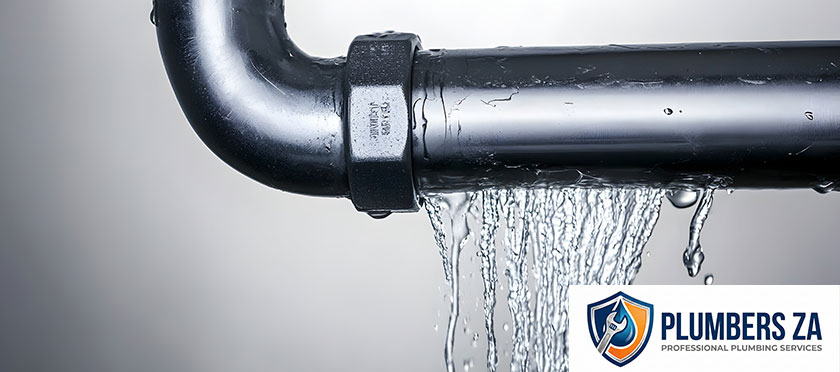
Water leaks rarely happen without an underlying cause. In most cases, leaks develop due to pressure-related stress, aging materials, incorrect installation methods, or movement within the structure or surrounding ground. Identifying the root cause is just as important as locating the leak itself, as this helps prevent repeat failures and future damage.
Professional water leak detection focuses not only on finding where water is escaping, but also on understanding why the failure occurred. Addressing the cause ensures that repairs are long-lasting and that the plumbing system remains stable under normal operating conditions.
High municipal water pressure places constant strain on pipes, joints, valves, and appliances. Sudden pressure spikes, often caused by faulty or missing pressure control valves, can cause fittings to fail without warning. Over time, excessive pressure weakens pipe walls and joints, leading to hidden leaks or sudden bursts.
Older plumbing systems commonly use copper, galvanised steel, or early plastic piping that degrades over time. Internal corrosion, mineral scaling, and chemical reactions slowly weaken pipe walls, resulting in pinhole leaks, joint deterioration, and reduced water flow. These leaks often develop internally before becoming visible.
Poor workmanship is a frequent cause of repeat water leaks. Incorrect jointing methods, unsupported pipe runs, improper pipe sizing, and the use of low-quality fittings can all lead to premature failure. Non-compliant installations often fail under normal daily pressure and temperature changes, even if they initially appear functional.
Underground water pipes are vulnerable to damage caused by shifting soil, erosion, nearby construction activity, and invasive tree roots. Seasonal ground movement and settling can place stress on buried pipes, causing cracks or joint separation. These leaks often remain hidden until water loss becomes severe.
Hot water systems operate under higher temperature and pressure, making them more susceptible to component failure. Leaks commonly occur at geyser safety valves, pressure relief valves, connections, overflow lines, or hot water piping. Early detection is essential to prevent ceiling collapse, wall saturation, and electrical hazards.

Once the leak location has been accurately identified, the repair process must address both the failed pipe section and the underlying conditions that caused the failure. A proper leak repair focuses on long-term reliability rather than short-term patching. When repairs are rushed or the root cause is ignored, repeat leaks are common and often more destructive than the original failure.
Professional water leak detection allows repairs to be planned precisely, reducing unnecessary damage and ensuring the correct materials, fittings, and pressure controls are used. This approach protects the surrounding structure while restoring full system integrity.
The primary advantage of accurate leak detection is the ability to access only the affected area. Instead of breaking large sections of walls, floors, or paving, we open directly at the confirmed leak point. This minimises disruption, reduces repair costs, and allows reinstatement work to be completed cleanly and efficiently.
Targeted repairs are especially important for tiled bathrooms, slab foundations, ceilings, and finished living spaces where unnecessary demolition can significantly increase restoration costs.
Permanent repairs require replacing the damaged pipe section with materials that match the existing system in type, size, and pressure rating. Whether the system uses copper, PVC, PEX, HDPE, or composite piping, correct compatibility is essential for long-term performance.
Proper jointing methods, approved fittings, and compliant installation practices prevent weak points that could fail again under normal operating pressure and temperature conditions.
Many leaks are caused or accelerated by excessive water pressure. If pressure-related stress is identified during leak detection, corrective measures are recommended as part of the repair process. This may include pressure control valve testing, replacement, or system rebalancing.
Addressing pressure issues not only protects the repaired section but also extends the lifespan of the entire plumbing system, reducing the likelihood of future leaks elsewhere in the property.
In sectional title complexes, body corporate environments, and commercial properties, leak detection and repair often require coordinated isolation of plumbing zones. This allows individual units or sections to be tested without disrupting the entire property.
We assist property managers, maintenance teams, and business owners by providing clear repair recommendations, documentation, and prioritised repair strategies. This ensures leaks are resolved efficiently while supporting insurance claims, compliance requirements, and long-term maintenance planning.

Water damage remains one of the most common causes of insurance claims in residential, commercial, and sectional title properties. While policy coverage varies between insurers, claims are often assessed based on how quickly the leak was addressed and whether the repair work was completed by qualified plumbing professionals using compliant methods.
Undetected or ignored leaks can escalate from minor water loss into structural damage, electrical risk, mould growth, and ceiling or flooring failure. In many cases, insurers investigate whether reasonable steps were taken to locate and stop the leak once symptoms became evident.
Professional water leak detection helps establish the origin and cause of water damage. Identifying whether a leak originated from pressurised plumbing, a failed fitting, underground piping, or a hot water line can reduce uncertainty during claim assessment.
Accurate detection limits unnecessary damage during investigation and shows that corrective action was taken responsibly. This is especially important where insurers request confirmation that the leak source was properly identified and repaired rather than guessed.
Insurance providers often request documentation confirming what repair work was performed. Clear invoices, descriptions of work completed, and confirmation that the repair addressed the identified leak are commonly required during claims processing.
Plumbers ZA provides clear repair documentation outlining the nature of the leak, the area affected, and the corrective work carried out. These records support transparency and assist property owners, body corporates, and insurers during assessments.
Plumbing repairs must be completed using suitable materials, correct jointing methods, and pressure-rated components appropriate for the system. Non-compliant repairs may temporarily stop a leak but often fail again under normal operating conditions.
Repeat failures not only increase repair costs but can also complicate insurance matters if it becomes clear that previous work did not meet acceptable plumbing standards. Correct, compliant workmanship reduces long-term risk and protects both the property and its occupants.
Accurate water leak detection to locate the exact source of leaks without guesswork or unnecessary damage to walls, floors, or paving.
Non-invasive leak detection methods that minimise disruption and reduce the need for extensive breaking, excavation, or rework.
Emergency water leak isolation and fast response across Gauteng to limit damage, water loss, and secondary property risks.
Leak detection and repairs carried out by qualified, PIRB-registered plumbers using compliant materials and methods.
Clear reporting, repair explanations, and documentation to support insurance queries, body corporate requirements, and maintenance records.

Water leak detection and repairs are carried out by qualified, PIRB-registered plumbers, ensuring compliant workmanship, safe pressure handling, and reliable long-term solutions.
We locate leaks accurately, isolate the correct line, and provide a clear repair plan. This reduces guesswork, saves time, and prevents unnecessary damage to your property.
Common signs include a high water bill, damp patches, mould smells, low water pressure, or a water meter that continues to move when all taps are closed.
Yes. Plumbers ZA provides water leak detection throughout Gauteng, including Johannesburg, Pretoria, Sandton, Centurion, Midrand, and surrounding areas.
Yes. We locate concealed leaks in walls, ceilings, slab piping, and underground lines. Accurate locating helps reduce unnecessary breaking and damage.
It can be. If a leak is causing flooding, rapid water loss, or electrical risk, fast isolation and emergency leak detection are recommended to limit damage.
Yes. After locating the leak, we can repair or replace the failed section using compliant materials and workmanship suitable for the pressure and pipe type.
High bills with no usage change often indicate a hidden leak, especially on underground mains, slab lines, or concealed pipework feeding bathrooms and geysers.
Yes. Excessive municipal pressure and pressure spikes can weaken joints and fittings. Pressure control valve issues are a common cause of repeated leaks.
Often yes. Accurate leak locating and clear repair documentation can support insurance assessments where proof of cause and repair records are required.
No call-out fees. We provide free quotations and clear recommendations once the leak location and repair scope are confirmed.
Response time depends on area and availability, but we prioritise urgent leaks and assist across Gauteng with plumber teams positioned in multiple areas.